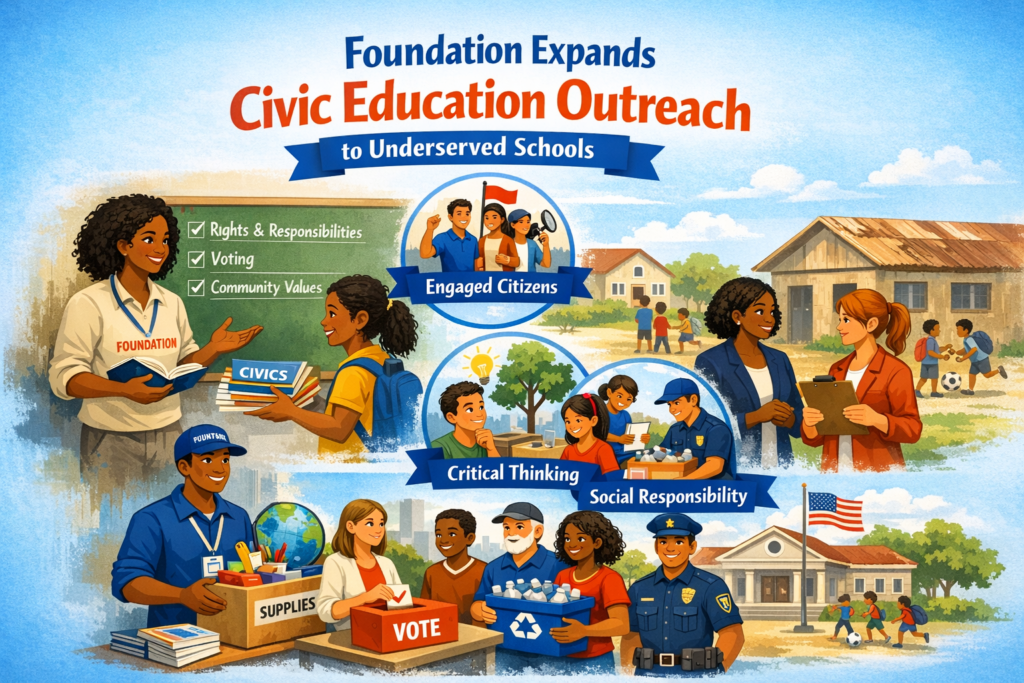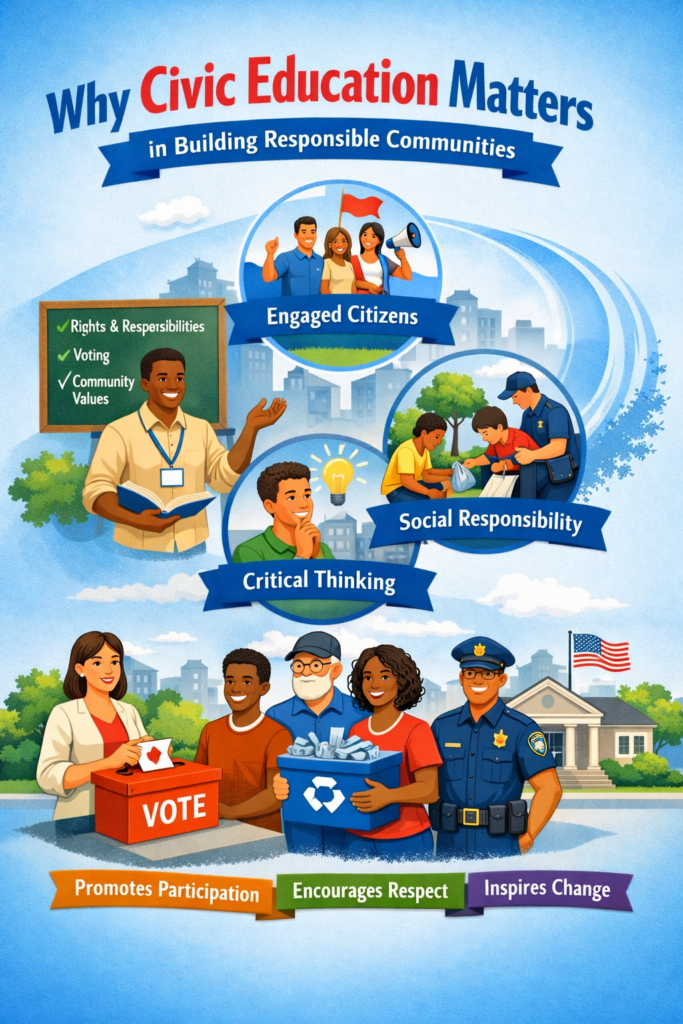
Civic education is the foundation of a healthy and functioning society. It equips individuals with the knowledge and understanding needed to engage meaningfully in civic life, uphold democratic values, and contribute to national development.
In many communities, there remains a significant gap between citizens’ rights and their understanding of those rights. Constitutional literacy helps bridge this gap by empowering individuals with knowledge about governance, the rule of law, and their civic responsibilities. When people understand how systems work, they are better positioned to demand accountability and participate in decision-making processes.
Beyond knowledge, civic education fosters a sense of responsibility and belonging. It encourages individuals—especially young people—to become active participants in their communities through volunteering, advocacy, and leadership.
Educational outreach programs in schools and underserved communities are essential in promoting these values. By integrating civic education with practical skills training and environmental awareness, organizations can create a more holistic approach to empowerment.
Conclusion:
An informed citizen is an empowered citizen. Strengthening civic education today lays the groundwork for a more responsible, inclusive, and sustainable society tomorrow.